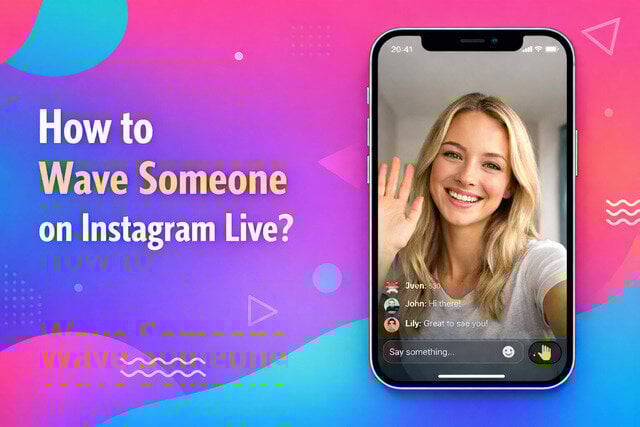
How to wave someone on Instagram Live is one of those small Instagram features that looks simple but can make a big difference in how live streams feel. If you have ever joined a live broadcast and wanted a quick, friendly way to say hi without typing a comment, waving is exactly that. This guide walks you through what waving means, how it works, and how to use it step by step so you can interact confidently and get noticed during live sessions.
What Does Waving on Instagram Live Mean?
Waving on Instagram Live is a lightweight digital gesture that lets viewers acknowledge the host without interrupting the conversation. Instead of typing a comment or sending an emoji reaction, you tap the wave icon to send a friendly signal. Many people describe it as a virtual hello or quick acknowledgment.
The what does waving mean on Instagram Live question comes up often because the feature is subtle. It does not create noise or clutter in the chat. Instead, it quietly appears to the host as a notification. The Instagram Live wave meaning is all about presence. You are saying, I am here, I am watching, and I am engaged.
Some users also call it an Instagram Live digital wave, which fits well. It mimics real life behavior when you walk into a room and wave instead of stopping everyone to speak.
As Instagram continues refining live features, waves remain one of the simplest ways to show presence. They are quiet, friendly, and effective. When paired with smart content strategies and visibility tools, they can even help increase your visibility on Instagram in the long run.
How Does the Wave Feature Work on Instagram Live?
The Instagram Live wave feature is built into Instagram Live as part of its interaction tools. When a live broadcast starts, viewers who join can sometimes see a small wave icon near the comment bar. Tapping it sends a wave directly to the host.
From a technical point of view, this action triggers a lightweight notification. It does not push a public message into the comment feed, and it does not alert other viewers. This makes it ideal for polite engagement, especially during busy live streams.
Instagram designed this as part of broader Instagram Live interaction tools that help hosts understand who is active. Alongside hearts, comments, and reactions, waves help creators measure real-time interest. They also feed into Instagram Live viewer reactions, which creators often rely on to decide how to pace their content.
Used consistently, waves support Instagram Live host and viewers relationships and make live sessions feel more human. Over time, these small actions help get more engagement on Instagram and improve the overall experience for everyone involved.
How to Wave Someone on Instagram Live (Step-by-Step)
If you are new to live streams, learning how to wave on Instagram Live truly takes less than a minute. Once you try it the first time, it quickly becomes second nature and one of the easiest ways to interact during a broadcast.
Step 1: Open the Instagram app and tap on a live video from your feed or the Stories bar at the top of the screen.
Step 2: After joining the live stream, wait a second for it to load completely. Look at the bottom of the screen near the comment field where interaction icons appear.
Step 3: If the feature is available, you will see the wave icon. Tap it once to how to send a wave on Instagram Live. The host will receive a discreet notification letting them know you waved.
How to Wave on Instagram Live on iPhone
Here is a simple step-by-step guide if you are using an iPhone and want to learn how to wave on Instagram Live iPhone.
Step 1: Open the Instagram app and tap on a live video from the Stories bar or your feed.
Step 2: Wait for the live stream to load fully, then look at the bottom of the screen near the comment field.
Step 3: Tap the wave button on Instagram Live once to wave someone on Instagram Live. The host will receive a discreet notification, and you can continue watching without posting a comment.
This method is ideal if you want to acknowledge the host quickly and quietly while still being part of the live interaction.
How to Wave on Instagram Live on Android
If you are on Android, follow these steps to understand how to wave on Instagram Live Android.
Step 1: Open Instagram and join a live broadcast from your feed or Stories section.
Step 2: Give the stream a moment to load, then check the area near the comment bar at the bottom of the screen.
Step 3: Tap the wave icon to how to send a wave on Instagram Live. The wave goes directly to the host and does not appear publicly to other viewers.
If you do not see the icon, it may be due to feature rollout timing or app version differences, which can sometimes cause the wave option to be unavailable on certain Android devices.
Why doesn’t the wave option show up for some users?
If you are dealing with Instagram Live wave not showing, you are not alone. Many users report Instagram Live wave missing even though others can use it.
There are a few reasons for this. Instagram often rolls out features in stages. Some accounts get access earlier than others. App version also matters. If you are running an outdated version, the wave icon may not appear. In rare cases, temporary glitches cause Instagram Live wave not working properly.
Another factor is the host. Some live settings or account types may limit interaction tools. If the host is using certain professional tools, waves may be disabled.
How does waving on Instagram Live help boost engagement?
At first glance, waving may seem insignificant. In reality, waving on Instagram Live plays a subtle but important role in engagement.
For hosts, waves act as silent feedback. Seeing multiple waves tells them people are joining and paying attention. This encourages them to stay live longer and respond more energetically. Over time, this supports increase engagement on Instagram Live by creating a loop of interaction and response.
For viewers, waving is a low-pressure way to be visible. Many creators notice frequent wavers and may give them a shoutout later. That visibility can help you get noticed, especially if your goal is to boost your Instagram followers count through consistent interaction.
On a broader level, waves contribute to Instagram Live audience interaction metrics. While Instagram does not publicly detail how waves affect reach, engagement signals generally support discoverability and overall viewer engagement on Instagram Live.
Final Thoughts
Learning how to wave at someone on Instagram may feel minor, but it is part of a larger ecosystem of engagement. Alongside likes, comments, and reactions, waves fall under how to react on Instagram Live and how to interact on Instagram Live without disrupting the flow.
Creators rely on Instagram Live engagement features and Instagram Live notifications to understand their audience. Viewers who use these tools thoughtfully often stand out. If your broader goal is how to get noticed on Instagram Live, combining waves with thoughtful comments and reactions is a smart strategy.
FAQ
Can viewers wave without leaving a comment on Instagram Live?
Yes. Waving is designed specifically for viewers who want to interact without typing. It sends a notification to the host without adding a visible comment.
Where does the wave appear after it’s sent?
The wave appears as a notification to the host. Other viewers do not see it in the comment feed or on the screen.
Do hosts see every wave during a live broadcast?
Hosts usually see wave notifications, but during very busy streams some notifications may be easy to miss. They still count as engagement signals.
Can a viewer wave more than once during the same live stream?
In most cases, viewers can wave more than once, though repeated waves may not always trigger separate notifications.
Is waving on Instagram Live visible to other viewers?
No. Waves are private between the viewer and the host.
Does the wave feature work the same on all devices?
Functionally, yes. Design may vary slightly, but waving works the same across supported devices.
Why Can’t I Wave on Instagram Live?
If you cannot wave, it is usually due to feature rollout timing, app version issues, or temporary bugs. Updating the app and restarting often helps. If not, waiting for broader rollout is the only option.